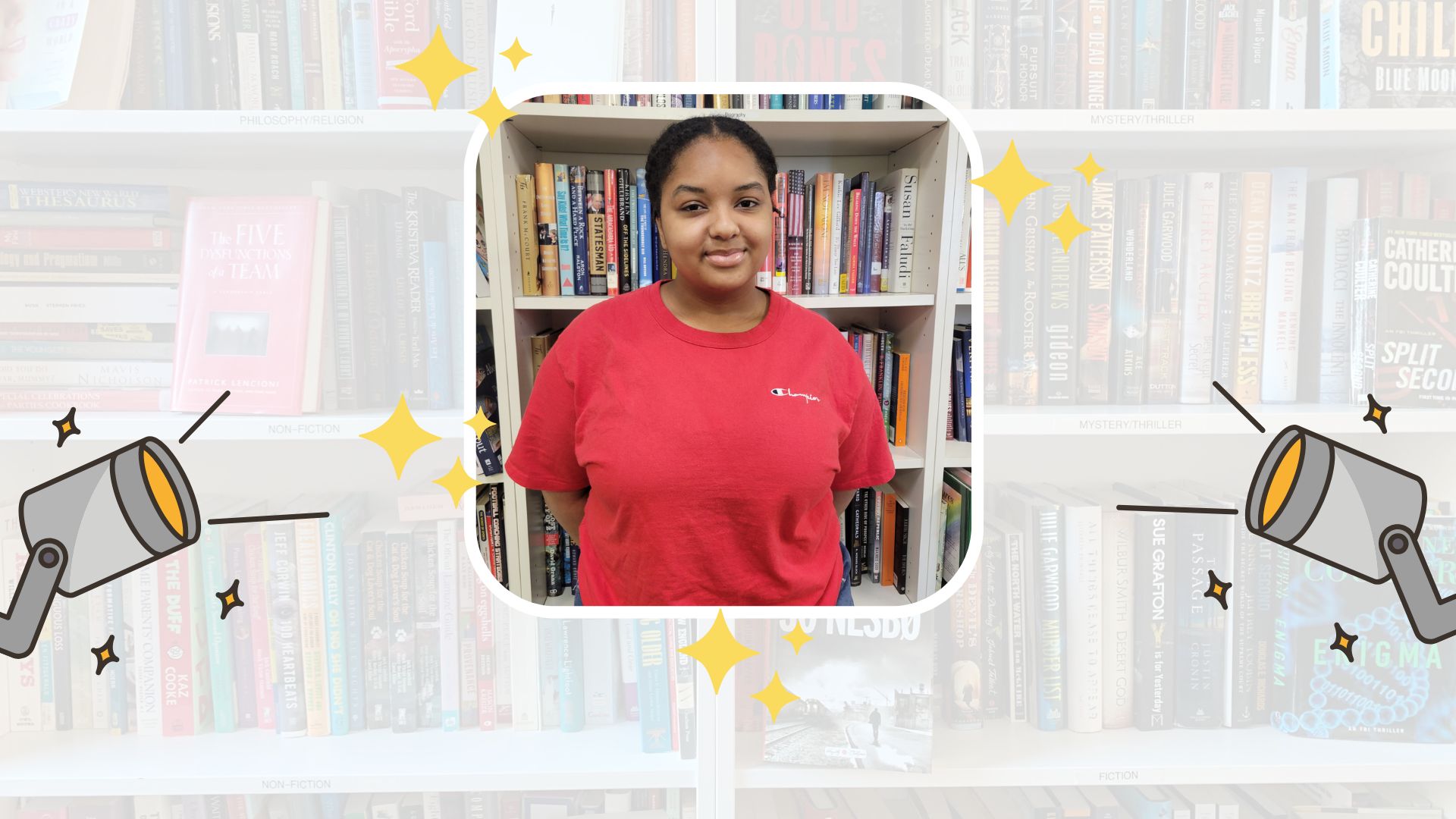
Name: Makayla Kidd
Hometown: Bronx, New York
College and Major: Wesleyan University, Government and Sociology
Tutoring Site: Science Park
Club: Lego and Arts & Crafts club
Favorite Childhood book: Diary of a Wimpy Kid by Jeff Kinney
Transitioning from NYC charter schools to NHPS has been vastly different in terms of educational experience. Growing up in New York City, I was allowed the freedom to pick any school, while in Connecticut, your home address and district lines play a significant role in determining what educational opportunities are available to you. This opened my eyes to disparities across towns and left me fascinated by the Connecticut education system. At Wesleyan, I researched Connecticut’s literacy system, including CK3LI & Literacy How. When my old high school reposted NHR’s summer internship, I knew I had to experience Connecticut’s literacy system firsthand.
Coming into NHR, I assumed I had a decent understanding of the challenges Connecticut’s literacy system faces. In actuality, I was far from it; working directly with students showed me a side of literacy education that research could never encapsulate. At first, it was honestly challenging because I worked one-on-one with scholars from different grade levels throughout the day. I could go from tutoring a first grader one hour to a sixth grader the next, which meant I had to learn each scholar’s individual learning style and adapting my teaching approach to how they best processed information.
As time went on, I became more well-adjusted, and my LEGO Club was the ultimate proof. As a new math club at the Science Park site, I was getting acclimated while implementing my site directors’ vision and adding my own twist. Creating my first lesson plans was hard because I had students ranging from first grade to sixth grade with different math skills. I started to notice my scholars were becoming disengaged, so I knew I needed to pivot! I went from a more individualized paper class to a more interactive, collaborative environment where students could get up, take action, and participate. I also learned how to incorporate math into activities without students realizing they were learning. Seeing my scholars respond so well was rewarding.
My time at NHR opened my eyes to the work being done to break down educational barriers in New Haven. I had researched Connecticut’s literacy system, but being part of that work firsthand made it feel different. Seeing my scholars engage, learn, and grow showed me why programs like NHR matter. No student should have fewer opportunities simply because of their home address, and I’m grateful I got to experience this work instead of only studying it.